
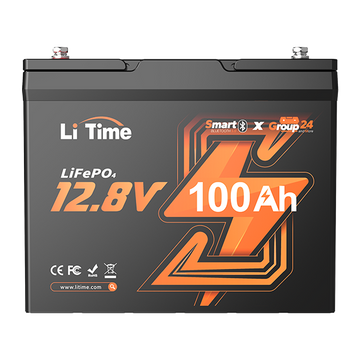
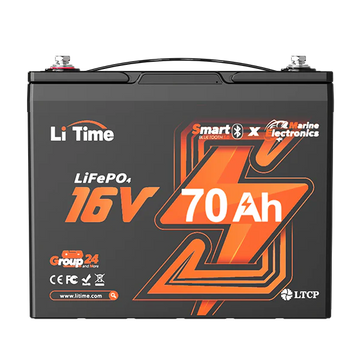
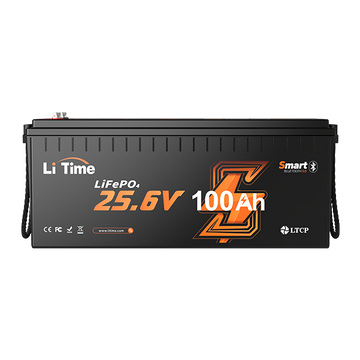
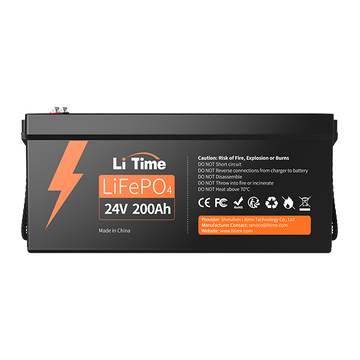




Heading off-road or planning a few days off-grid in your 4WD quickly teaches you one thing: reliable power is not optional. Fridges, lights, compressors, radios, and charging all need energy, and your stock starter battery simply wasn’t designed for that workload.
This guide walks you through the basics of 4WD batteries, how to choose the right setup, the best options for off-grid travel, and how dual battery systems and battery boxes fit into the picture.
- 1.What Is a 4WD Battery? Types, Functions & Key Features
- 2.How to Choose the Right 4WD Battery
- 3.Best 4WD Batteries for You Off-Grid Travel
- 4.What Is a 4WD Dual Battery System?
- 5.4WD Dual Battery Setup: A Complete Installation Guide
- 6.What Is a 4WD Battery Box?
- 7.Frequently Asked Questions (FAQ)
- 8.Conclusion
1.What Is a 4WD Battery? Types, Functions & Key Features
Before you compare brands or plan a dual setup, it helps to understand what a 4WD battery actually does and how it differs from a standard car battery. The following sections break down its role, main types, and why lithium is increasingly the first choice for serious touring and camping.
1.1 Definition and Purpose of a 4WD Battery
A 4WD battery is the power source designed to support the unique demands of four-wheel-drive vehicles. It has two main jobs:
- Cranking / Starting – delivering a quick burst of high current to start the engine.
- Deep Cycling / House Loads – providing steady power over a longer period for accessories like fridges, camp lights, pumps, inverters, and communication gear.
Many 4WD setups use one battery for starting and one or more auxiliary batteries dedicated to running accessories. This prevents you from flattening the starter battery while you’re parked at camp.
1.2 Types of 4WD Batteries
Here are the most common types used in 4WD vehicles:
1.3 Why Lithium Batteries Are Preferred Choice
Types of 4WD Batteries — Comparison Table
| Battery Type | Pros | Cons | Best For |
|---|---|---|---|
| Flooded Lead-Acid (Wet Cell) | • Low upfront cost • Widely available |
• Heavy • Requires ventilation • Low usable capacity • Not ideal for deep cycling |
Basic starting power; minimal accessory use |
| AGM (Absorbent Glass Mat) | • Maintenance-free • Better deep-cycle performance than wet cell • Good vibration resistance |
• Heavy • Slower charging • Limited usable capacity (50–60%) |
Moderate touring setups; occasional camping |
| Gel Battery | • Stable performance • Good resistance to heat and vibration • Safer than wet cell |
• Sensitive to charging voltages • Lower charge acceptance • Less common in modern systems |
Low-power applications; environments with extreme temperatures |
| LiFePO4 Lithium Battery | • Very lightweight • 80–100% usable capacity • Extremely long cycle life • Fast charging • Stable voltage output |
• Higher upfront cost • Needs compatible charger |
Serious touring, frequent off-grid trips, dual battery systems, high-power 12V setups |
For off-grid 4WD use, this means you can run a fridge for days, power lights and devices, and still have plenty of reserve. If you’re planning a future-proof setup, a LiTime LiFePO4 lithium battery is a solid, value-for-money upgrade path compared to repeatedly replacing heavy lead-acid batteries.
2.How to Choose the Right 4WD Battery
Once you know the types available, the next step is matching the battery to your actual usage. This section helps you translate your real-world camping and driving habits into practical power requirements, and then into the right battery choice.
2.1 Power Requirements for Different 4WD Setups
Every 4WD setup has different power demands depending on how and where the vehicle is used. Understanding your energy consumption is the foundation for selecting the right battery size and chemistry.
| 4WD Usage Scenario | Typical Power Consumption (per day) | Common Accessories | Recommended Battery Capacity | Notes |
|---|---|---|---|---|
| Light-Duty 4WD Use(Day trips, short stops) | 10–30Ah | LED lights, phone charging, small fans | 50–100Ah | Suitable for minimal loads; AGM acceptable but lithium provides better runtime. |
| Medium-Duty Touring(Fridge + basic camp gear) | 30–60Ah | 12V fridge/freezer, LED lights, radio, pump | 100–150Ah | Most common 4WD touring setup; LiFePO4 offers longer runtime & stable voltage. |
| Heavy Off-Grid Camping(Multiple accessories) | 60–120Ah | Fridge, lights, UHF radio, air compressor, chargers | 150–200Ah+ | Lithium strongly recommended; AGM may struggle due to low usable capacity. |
| High-Demand Power Systems(Inverters & solar setups) | 100–200Ah+ | 1000–2000W inverter, coffee machine, tools, laptops | 200–400Ah Lithium or dual battery bank | Ideal for serious off-grid users; LiFePO4 required for fast charging & efficiency. |
2.2 Key Specifications to Consider
When comparing 4WD batteries, look beyond just the Ah number:
- Capacity (Ah) – how much energy the battery can store.
- Recommended Depth of Discharge (DoD) – lithium can usually be discharged much deeper than AGM without damage.
- Cycle Life – how many charge/discharge cycles the battery can deliver.
- Weight & Size – important for 4WDs carrying a lot of gear. Lithium is a big win here.
- Charge Rate – how quickly the battery can safely accept charge from alternator, solar, or mains.
- Operating Temperature Range – crucial for hot engine bays or cold climates.
Quality lithium options like LiTime LiFePO4 batteries often publish clear spec sheets, making it easier to size your system correctly and ensure compatibility with solar and DC-DC chargers.
2.3 Single Battery vs Dual Battery
Choosing between a single battery and a dual battery system depends on how long you stay off-grid and how heavily you rely on 12V accessories. Here’s a practical comparison to help you decide the best approach for your 4WD needs.
Single Battery Setup
A single battery setup uses one battery to both start the engine and power all accessories.
Pros:
- Simple and inexpensive
- Lighter and easier to install
- Suitable for minimal power use
Cons:
- High risk of draining the starter battery
- Limited runtime when running a fridge or multiple accessories
- Not recommended for extended off-grid camping
Best For:
Day trips, very short stays, and users who do not run a fridge.
Dual Battery Setup
A dual battery system separates the starter battery from the auxiliary battery, ensuring you always retain enough power to start the engine.
Pros:
- Zero risk of flattening the starter battery
- Provides dedicated, stable power for fridges, lights, and off-grid gear
- Ideal for multi-day camping, touring, and heavy accessory loads
- Works perfectly with solar and lithium batteries
Cons:
- Higher upfront cost
- Requires additional space and installation planning
Best For:
Anyone running a 12V fridge, staying off-grid longer than a day, or using multiple accessories.
3.Best 4WD Batteries for You Off-Grid Travel
There are many brands and options on the market, from budget to premium. Below is an overview of several commonly mentioned options in the 4WD space, and how they compare conceptually. Always check local availability and specifications for your region.
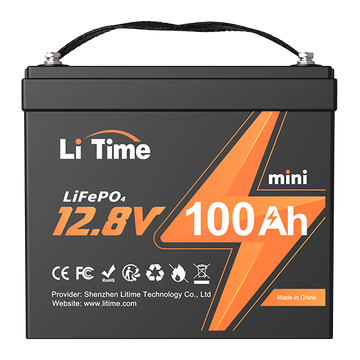
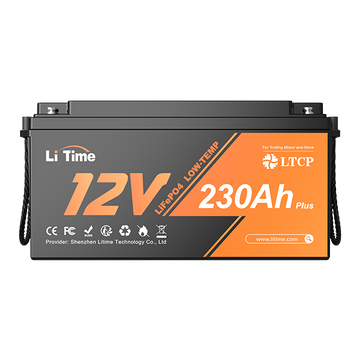
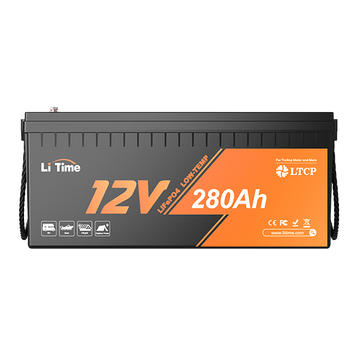
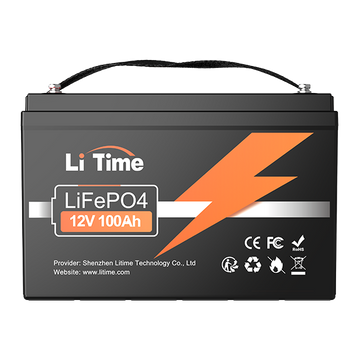
3.1 LiTime 4WD Battery
LiTime LiFePO4 lithium batteries are designed with off-grid and 4WD users in mind:
- High usable capacity thanks to deep discharge capability
- Long cycle life, ideal for frequent camping or touring
- Much lighter than comparable AGM batteries, reducing load on your vehicle
- Compatible with solar and DC-DC charging setups commonly used in 4WD dual systems
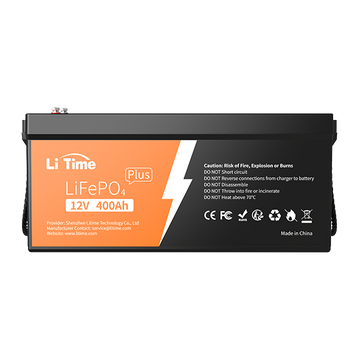
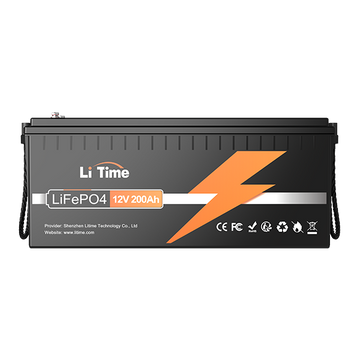
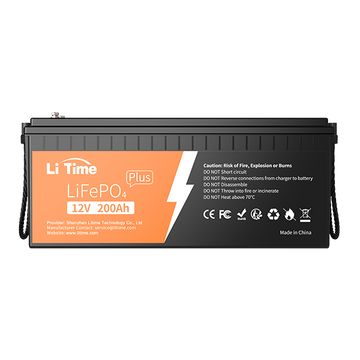
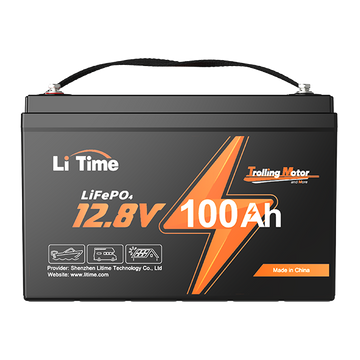
If you want a reliable, low-maintenance battery that can power a fridge, lights, fans, and chargers for multiple days, a LiTime 12V LiFePO4 battery is a strong candidate.


3.2 4WD Supacentre Battery
4WD Supacentre often focuses on budget-friendly AGM batteries and other 12V gear. These can be suitable if:
- You’re just starting out and want a low initial cost
- You don’t yet need the full advantages of lithium
- Weight and maximum cycle life are less critical to you
However, compared to a LiFePO4 solution, you’ll generally have less usable capacity for the same Ah rating and a shorter lifespan.
3.3 4wd Battery bunnings
Hardware chains like Bunnings typically offer a range of general-purpose batteries, including starter and some deep-cycle options. These may work for basic 4WD setups but are usually not optimized for serious touring or frequent deep cycling.
If you mainly use your 4WD for weekend drives and light camping, an AGM from a hardware store may be fine. For regular off-grid trips, a dedicated 4WD-focused lithium battery—such as those from LiTime—will usually provide better long-term performance.
3.4 Century ultra hi performance 4WD Battery
Century Ultra Hi Performance 4WD batteries are well-known starter and dual-purpose batteries. They are:
- Designed to handle rough conditions and high cranking demands
- Often used as robust starting batteries in 4WDs
- Suitable where strong cranking performance is the priority
A common approach is to use a Century Ultra as the starter battery and pair it with a LiTime LiFePO4 auxiliary battery as the house battery. This gives you the best of both worlds: strong engine starting and a long-lasting, high-capacity off-grid power source.
4.What Is a 4WD Dual Battery System?
If you’re serious about camping or touring, you’ve probably heard that a dual battery system is “essential.” But what exactly is it, and why does it matter? This section explains the concept and practical benefits before we move into setup details.
4.1 Definition & Real-World Benefits
A 4WD dual battery system is a setup that uses two separate batteries in your vehicle:
- Starter battery – dedicated to cranking the engine
- Auxiliary (house) battery – dedicated to running accessories like fridges, lights, pumps, radios, and chargers
These two batteries are linked by a DC-DC charger or isolator so they can both charge while you drive, but are automatically separated when the engine is off. This simple idea has huge real-world benefits for touring and off-grid travel.
- Guaranteed Engine Start:Your starter battery stays protected, so you can run your fridge and lights overnight without risking a flat battery the next morning.
- Longer Off-Grid Power:A dedicated auxiliary battery powers your 12V accessories—fridge, lights, chargers, radios—letting you stay off-grid longer and more comfortably.
- Stable, Reliable Power for Accessories:House loads run on the auxiliary battery, providing steadier voltage and reducing strain on the starter battery.
- Multiple Charging Options:Dual systems work seamlessly with alternators, solar panels, and mains chargers, making it easy to keep your auxiliary battery topped up on long trips.
- Protects and Extends Starter Battery Life:By preventing deep discharge of your starter battery, you reduce wear and ensure consistent, reliable engine starts.
- Ideal for Lithium Upgrades:A dual setup is the perfect match for LiFePO4 batteries—such as LiTime LiFePO4—which offer longer runtimes, deeper discharge, and faster charging for serious 4WD travel.
4.2 How a Dual Battery System Works
In a typical dual battery system:
- The starter battery is used as normal to crank the engine.
- The auxiliary battery—often a LiFePO4 like a LiTime battery—is connected via a DC-DC charger or isolator.
- When the engine is running, the system charges the auxiliary battery.
- When the engine is off, the system isolates the starter battery so your accessories only draw from the auxiliary battery.
This smart separation is what lets you enjoy cold drinks and lights at camp while keeping enough power in reserve to start the engine the next morning.
5.4WD Dual Battery Setup: A Complete Installation Guide
Now that you understand the concept of dual batteries, let’s look at how a typical setup is put together. This is a high-level guide—always follow manufacturer instructions and, if unsure, consult a professional auto electrician.
5.1 Essential Components
A basic 4WD dual battery system usually includes:
- Starter battery
- Auxiliary battery – often a LiTime LiFePO4 for better performance and lifespan
- DC-DC charger or battery isolator
- Fuses and circuit breakers
- Heavy-duty cabling and connectors
- Battery tray or battery box
- Earth points and mounting hardware
Using a LiFePO4 auxiliary battery with an appropriate DC-DC charger ensures correct charging voltages and protects your investment.
5.2 Common Installation Locations
Where you place your auxiliary battery depends on vehicle design and space:
- Engine bay – close to alternator, but heat can be an issue and space is limited.
- Rear cargo area – cooler environment, ideal for lithium batteries, often combined with a battery box.
- Canopy or drawer system – convenient for touring vehicles with extensive storage setups.
LiFePO4 batteries like those from LiTime are often installed inside the vehicle or canopy because they are sealed, low-maintenance, and lighter than AGM equivalents.
5.3 Step-by-Step Installation Overview
A 4WD dual battery setup can vary by vehicle and components, but the overall process usually follows the same core steps.
- Install the DC-DC Charger or Isolator:Mount the charger close to the auxiliary battery to minimise voltage drop.Set the correct charging profile.
- Run Cables Between Starter and Auxiliary Batteries:Use appropriately sized, high-quality cables rated for the current of your system.Run the positive cable from the starter battery → DC-DC charger → auxiliary battery, with fuses or breakers near each battery.
- Wire in the Loads:Connect fridges, lights, sockets, and other 12V loads to a fused distribution block or power panel fed from the auxiliary battery, not the starter battery.
- Test the System:Start the vehicle and confirm the DC-DC charger is working and charging the auxiliary battery.Verify correct voltage, fuse ratings, and that nothing is heating up under load.
5.4 Safety Tips & Common Mistakes to Avoid
Electrical safety is critical in any 4WD, especially when adding extra batteries and high-current wiring. Keep these key points in mind to ensure your dual battery system is safe and reliable.
- Always Fuse Close to the Battery:Install fuses or circuit breakers as close as possible to both the starter and auxiliary battery positive terminals. This protects against short circuits along the cable run.
- Use Correct Cable Size and Quality:choose cable rated for the current and distance of your system to avoid voltage drop and overheating. Overspec is better than underspec.
- Secure All Components Firmly:Batteries, chargers, boxes, and wiring must be firmly mounted so they cannot move, chafe, or get crushed when off-roading.
- Protect Cables from Heat and Abrasion:Route wiring away from exhausts, sharp edges, and moving parts. Use split tubing, grommets, and clamps to protect and secure cables.
- Follow Manufacturer Settings:Set your DC-DC charger or controller to the correct charging profile—especially important when using LiFePO4 lithium batteries like LiTime, which require specific charge voltages.
- Consult a Professional When Unsure:If you’re not confident with auto electrics, have an auto electrician complete or at least check your installation.
6.What Is a 4WD Battery Box?
Not everyone wants a permanently mounted dual battery system. If you prefer flexibility or swap between vehicles, a 4WD battery box might be the perfect solution.
6.1 Definitionn of a 4WD Battery Box?
A 4WD battery box is a durable enclosure designed to house a deep-cycle battery and convert it into a portable 12V power station. Most battery boxes include:
- Anderson plugs
- 12V cigarette sockets
- USB charging ports
- Circuit breakers and voltmeters
- Strong handles and mounting straps
This setup allows you to easily connect and power your 4WD fridge, lights, chargers, air pumps, and other accessories—whether from inside the vehicle or at your campsite.
6.2 Benefits of Using a Battery Box
A battery box offers several advantages for 4WD enthusiasts, campers, and weekend explorers:
- Portability and Flexibility:Move your power source wherever you need it—inside the canopy, next to your tent, or even between vehicles.
- Easy, Plug-and-Play Power:Most boxes include built-in outlets, making it simple to connect fridges, lights, and chargers without complex wiring.
- Protection for Your Battery:The box shields the battery from impacts, dust, moisture, and accidental short circuits—especially valuable on rough tracks.
- Ideal for LiFePO4 Batteries:LiFePO4 batteries are lightweight and maintenance-free, making them perfect for portable setups. A LiTime LiFePO4 battery inside a quality battery box delivers long runtimes and exceptional reliability.
- Works with Solar and Vehicle Charging:Easily integrate with solar panels or a DC-DC charger to keep your portable power topped up during extended off-grid trips.
6.3 DIY 4WD Battery Box
Building your own DIY 4WD battery box is a great project if you want a customized solution tailored to your setup. Here's a simplified approach:
- Choose Your Battery:A LiFePO4 battery (like a LiTime 12V LiFePO4) is ideal due to its long life, safety, and lightweight design.
- Select a Suitable Enclosure:Pick a sturdy plastic or metal box that can handle vibration and protect the battery during off-road travel.
- Add Output Ports and Components:Anderson plugs, 12V sockets, USB ports, switches, and a voltmeter.
- 4WD Battery Box wiring diagram:

- Test All Outputs Under Load:Ensure all ports work correctly and safely before using the box on a trip.
7.Frequently Asked Questions (FAQ)
Can I replace my AGM with a LiFePO4 in the same spot?
Often yes, but check dimensions, mounting, venting, and charger compatibility. LiFePO4 batteries are usually lighter and may be slightly different in size.
Is a dual battery system necessary for short trips?
For quick overnight stops and light usage, a single battery may suffice. For multi-day off-grid travel with a fridge, a dual battery system is strongly recommended.
Are lithium batteries safe in a 4WD?
Quality LiFePO4 batteries with built-in BMS (Battery Management System) are very safe when installed correctly. Always follow manufacturer guidelines and protect all circuits with fuses or breakers.
How long will a 100Ah lithium battery run my 45W fridge?
A: Roughly: (100Ah x 12V) / 45W = ~26 hours, excluding efficiency losses and accounting for the fact lithium can be safely discharged to ~90% capacity. Real-world runtime is often 20-24 hours.
8.Conclusion
A reliable 4WD battery setup is the backbone of modern off-grid travel. From understanding basic battery types and sizing your system, to installing a dual battery setup or building a portable battery box, each choice affects how comfortable and stress-free your trips will be.
For drivers who want lightweight, long-lasting, and high-performance power, upgrading to a LiFePO4 lithium battery is often the smartest move. A well-chosen option—such as a LiTime LiFePO4 battery —can transform your touring experience, letting you stay out longer, run more gear, and still wake up to a vehicle that starts first time, every time.