




If you’ve ever run a fridge, lights and an inverter from your starter battery, you probably know the fear of turning the key and hearing… nothing.That’s exactly the problem a dual battery system solves.
Whether you drive a touring 4x4, tow a caravan, live in an RV, or run electronics on a boat, a well-designed 12V dual battery system keeps your starter battery safe while a separate “house” battery powers all your gear. In this guide we’ll walk through what dual battery systems are, how they work, wiring basics, and how to choose the best batteries for a 4x4, caravan or boat.
1.Understanding The Dual Battery System And How Does Works
Before you start choosing cables, chargers or batteries, it’s worth taking a step back and really understanding what a dual battery system is and what is happening electrically behind the scenes.
1.1 What Is Dual Battery System?
A dual battery system is a power setup that uses two separate batteries in one vehicle or boat, each with a different job:
- Starter (cranking) battery – dedicated to starting the engine.
- Auxiliary (house) battery – dedicated to running accessories when the engine is off.
The two batteries are connected together only when charging (usually when the engine is running or when an external charger is active), and isolated when discharging so that your accessories cannot accidentally drain the starter battery.
1.2 Key Components of a Dual Battery System
Although there are many variations (simple relay systems, DC-DC charger systems, portable power boxes), almost every dual battery system is built from the same core components:
- Starter battery – The original battery that cranks the engine. It must stay full so the vehicle can always start.
- Auxiliary (house) battery – A deep-cycle or LiFePO₄ battery that runs your fridge, lights, pumps, inverter and outlets when the engine is off.
- Isolator or DC-DC charger – The “gatekeeper” between the two batteries. It lets the alternator charge the aux battery, but stops the aux side from draining the starter battery.
- Fuses and breakers – Installed close to the batteries to protect cables and gear if something shorts or draws too much current.
- Cables and connectors – Correct-size wiring and solid crimps to safely carry the current between batteries, chargers and loads.
Some setups also add solar panels, an AC charger and a small fuse box, but these core components are what make any dual battery system work.
1.3 How a Dual Battery System works?
Now that we know the parts, let’s look at what actually happens during a typical day with a dual battery system.
Step 1: Engine Starts
- You turn the key (or push the start button).
- The starter battery sends a huge burst of current to the starter motor.
- The auxiliary battery is isolated at this point and does not assist—this keeps all starting duties on the battery that was designed for it.
Step 2: Engine Running – Charging Phase
- Once the engine is running, the alternator begins generating electrical power.
- As system voltage rises above a set threshold, the VSR closes or the DC-DC charger activates.
- Now the alternator (via the isolator/DC-DC) charges the auxiliary battery.
- In many setups, the starter battery is topped off first, then more current is directed to the auxiliary battery to bring it up to full.
With a DC-DC charger, the auxiliary battery gets the correct charging profile (bulk, absorption, float) suitable for its chemistry. This is especially important for LiFePO₄ batteries, which have different voltage requirements from lead-acid.
Step 3: Engine Off – House Power Only
- You arrive at camp and shut off the engine.
- System voltage drops below the isolator’s threshold.
- The VSR opens or the DC-DC charger goes into standby, separating the two batteries.
- Now all your accessories—fridge, lights, USB outlets, maybe an inverter—draw only from the auxiliary battery.
- The starter battery remains fully charged, untouched, ready for the next start.
Step 4: Additional Charging Sources
If you have solar panels, the solar controller keeps charging the auxiliary battery during the day—even with the engine off. If you plug into shore power, an AC charger may also top up the house battery overnight.
In both cases, the starter battery remains isolated, so it stays healthy and fully charged, while the auxiliary battery handles your off-grid lifestyle.
1.4 Why is Dual Battery System Matters?
- protects starter battery:All camping loads (fridge, lights, inverter, pumps) run from the auxiliary battery, so even if you drain it overnight, the starter battery stays full and your engine will still crank in the morning.
- eliable power for modern accessories:A dedicated deep-cycle or LiFePO₄ house battery delivers steady voltage and handles long runtimes much better than a normal cranking battery, so fridges cool properly and electronics don’t reset or cut out.
- extends battery life and saves money:The starter battery is no longer abused by deep discharges, and a good deep-cycle/LiFePO₄ auxiliary battery is built to cycle thousands of times, reducing how often you need to replace batteries.
- flexibility and peace of mind:You can easily add solar, an inverter or extra outlets later, and you can camp or cruise off-grid knowing you have a safe, fused, well-managed 12V power source plus a fully charged battery reserved just for starting the engine.
2.The Dual Battery System Uses Explained
Different environments place different demands on the system, but the core idea stays the same: one battery starts the engine, and the other powers your lifestyle. Below are the most common applications and how a dual battery system supports each one.
2.1 Caravans/RVS/Camper

Caravans and RVs rely heavily on 12V power, especially when camping off-grid. A dual battery system ensures that all essential comforts run smoothly while keeping the tow vehicle’s starter battery untouched.
Typical uses include:
- Fridges and freezers that must run 24/7
- LED interior and exterior lights
- Water pumps for sinks and showers
- Ventilation fans and diesel heater blowers
- Device charging (phones, tablets, laptops)
- Small inverters for occasional 230V appliance use
Because caravan and RV customers tend to stay parked for long periods, the system often includes solar panels to continually recharge the auxiliary battery.Many caravanners pair their dual battery system with a battery monitor or Bluetooth battery, ensuring they can track power usage and charge levels easily while traveling.
2.2 4x4/4wd
A dual battery system in a 4x4 is one of the most common upgrades for touring, overlanding and off-road adventuring. When exploring remote tracks or staying at bush camps, the last thing you want is a flat starter battery because your fridge ran all night.
A typical 4WD dual battery setup supports:
- Fridge/freezers in the rear cargo area
- Camp lighting and work lights
- UHF radios, GPS units and comms equipment
- Air compressors for tyre inflation
- High-draw inverters to power tools, laptops or cameras
- Charging outlets for accessories and devices
4WD setups often deal with harsh conditions—corrugations, heat and long-distance travel—so the auxiliary battery must be durable and vibration-resistant.
2.3 Marine
Boats have unique electrical needs, and a dual battery system is considered essential on many vessels because it keeps starting and house loads completely separate—critical for safety on the water.
Common uses of a marine dual battery setup include:
- Cranking the outboard/inboard engine with a dedicated starter battery
- Powering navigation electronics, plotters, sounders and radar
- Running lighting, bait tanks, bilge pumps and livewell systems
- Supporting stereos, radios and communication gear
- Running trolling motors or small inverters for onboard appliances
A marine environment introduces extra challenges like moisture, vibration, salt exposure and constant movement. For this reason, the auxiliary (house) battery must be reliable and built to handle deep cycling.
3.How to Choose Dual Battery System For You Need
Choosing the right dual battery system isn’t just about picking a second battery—it’s about matching your power usage, battery chemistry, charging methods, and future plans.To help you build a system that fits your needs, let’s break the process into four clear steps.
3.1 Lead Acid or LiFePO4 Battery
Before choosing any battery or charger, you must choose the right battery chemistry for your auxiliary battery. The two common choices are lead-acid (AGM/GEL) and LiFePO₄ lithium.
Lead-Acid (AGM or GEL)
| Pros | Cons |
|---|---|
|
|
Lead-acid batteries still work for budget builds or occasional weekend use, but they aren’t ideal for heavy off-grid loads.
LiFePO₄ (Lithium Iron Phosphate)
| Pros | Cons |
|---|---|
|
|
LiFePO₄ batteries are the top choice for touring, caravans, marine setups, and anyone who wants a long-lasting, efficient, and compact power source.
3.2 Calculate Your Power Needs
After understanding your battery type needs, the next step is understanding how much energy you actually use. This is the most important part of designing a dual battery system, because sizing your system correctly ensures your fridge stays cold, your lights stay on, and your starter battery stays protected.
Step 1: List all your devices
Write down every 12V appliance you plan to use, such as:
- Compressor fridge
- LED camp lights
- Water pump
- Ventilation fan
- Phone/tablet chargers
- Radios or communication gear
- Laptop via inverter
- Small 230V appliances (kettle, coffee machine, etc.)
Step 2: Identify each device’s power draw
Devices list their usage in amps (A) or watts (W). If listed in watts:
Amps = Watts ÷ 12V
Step 3: Estimate daily runtime
Multiply amps × hours to find Ah per day for each device.
Example:
- Fridge: 3A × 10h = 30Ah
- Lights: 1A × 5h = 5Ah
- Phone charging: 2A × 3h = 6Ah
- Misc: 5Ah
Total daily usage = ~46Ah
Step 4: Determine how many days of autonomy you want
With your daily power needs and preferred chemistry in mind, you can now determine how many days of off-grid and choose your auxiliary battery capacity.Understanding usable capacity:
- Lead-acid: Only ~50% usable without damaging lifespan
- LiFePO₄: 80–90% usable safely and regularly
Example sizing for a typical setup (~50Ah/day):
| AGM | LiFePO₄ | |
|---|---|---|
| For 1 day off-grid | 100Ah | 60–80Ah |
| For 2 days off-grid | 200Ah | 100–150Ah |
| For 3 days off-grid | 200–300Ah | 100–200Ah |
3.3 Charging Options for Your Dual Battery System
Even the best battery will fail if it isn’t charged properly. A good dual battery system supports multiple charging methods, ensuring your auxiliary battery stays topped up whether you’re driving, parked, or plugged into mains power.
- Alternator + VSR (Voltage Sensitive Relay):the simplest option. When the engine runs and voltage rises, the VSR connects the starter and aux batteries so the alternator can charge both. When the engine is off, it disconnects them to protect the starter battery. Best for basic lead-acid setups.
- Alternator + DC-DC Charger:a DC-DC charger takes power from the starter battery/alternator and delivers the correct charging profile to the aux battery. It’s ideal for LiFePO₄, long cable runs and modern vehicles with smart alternators.
- Solar Panels:roof-mounted or portable solar keeps the auxiliary battery charged while you’re parked. A solar controller (often built into a DC-DC charger) regulates the charge and is perfect for fridges that run all day.
- Mains (AC) and Generator Charging:at home or in a caravan park, an AC charger can fully recharge your aux battery from a wall outlet. In remote areas, a generator plus AC charger serves as a backup when alternator and solar can’t keep up.
You can learn more about How to Charge Lithium Ion Battery Safely [Safe & Correct Guide]
4.Dual Battery System Wiring Diagram
A well-designed wiring layout ensures your batteries charge efficiently, your accessories run safely, and your starter battery is always protected. Below, we’ll walk through the key safety notes, tools you’ll need, and the two most common wiring setups used in 4x4s, caravans, campers, and boats.
4.1 Safety Notes & Tools You Need
Before you begin any wiring work, safety should be your top priority. Dual battery systems handle high current, and improper wiring can cause overheating, equipment damage, or even fires.
Safety Notes:
- Disconnect the starter battery before working on any circuits.
- Fuse every positive cable as close to the battery terminal as possible.
- Use appropriately sized cables to handle expected current loads—thicker is always safer for long runs.
- Protect all wiring with conduit or split tubing, especially where cables pass through metal.
- Avoid mixing wire gauges within the same circuit.
- Ensure all terminals are securely crimped and heat-shrunk for vibration resistance.
- Never mount batteries in sealed, high-heat environments unless rated for it.
Tools You May Need:
- Heavy-duty cable crimper
- Cable cutters and wire strippers
- Heat-shrink tubing and electrical tape
- Multimeter for voltage testing
- Socket set and spanners
- Fuse holders and distribution blocks
- Drill and grommets for routing cables
Taking the time to prepare the right tools and safety measures will make your installation cleaner, safer and more reliable.
4.2 Basic W iring Diagram (VSR Setup)
A Voltage Sensitive Relay (VSR), also called a smart solenoid, is the simplest way to wire a dual battery system. It works by automatically connecting the starter and auxiliary batteries when the alternator raises system voltage and disconnecting them when the engine is off.
How it works:
- Engine running: Voltage rises above ~13.3V → VSR connects → both batteries charge.
- Engine off: Voltage drops below ~12.8V → VSR disconnects → aux loads cannot drain the starter battery.
Basic VSR Wiring Layout:

| Pros | Cons |
|---|---|
|
|
For small weekend setups or budget builds, a VSR system works well. For lithium or more advanced systems, a DC-DC charger is recommended.
4.3 Wiring Diagram for DC-DC Charger + Solar
A DC-DC charger is the preferred setup for modern 4WDs, caravans and marine systems—especially when using LiFePO₄ batteries. It ensures the auxiliary battery receives the correct multi-stage charging profile and compensates for voltage drops.
How it works:
- The DC-DC charger takes power from the starter battery/alternator.
- It boosts or regulates that voltage to properly charge the auxiliary battery.
- Many models include a built-in MPPT solar controller, allowing solar and alternator charging simultaneously.
Typical DC-DC Wiring Layout:

Benefits of a DC-DC Charger Setup:
- Safe and efficient charging for LiFePO₄ batteries
- Works with smart alternators in modern vehicles
- Handles long cable runs without voltage loss
- Allows solar charging while parked
- Protects both batteries with built-in safety features
This setup is ideal for caravans, campers, boats, and serious 4x4 touring rigs that need reliable off-grid power.
4.4 Common Wiring Mistakes to Avoid
ven well-planned systems can run into problems if the wiring isn’t done correctly. Here are the most common mistakes and how to avoid them:
- Undersized Cable Using cable that’s too thin creates voltage drop, heat buildup and poor charging performance. Always size cable for the maximum current expected—especially when running inverters.
- No Fuse Protection Near the Battery Every positive cable must have a fuse within 20–30 cm of the battery terminal. Skipping this step is one of the biggest fire hazards in DIY electrical systems.
- Poor or Inconsistent Grounding Weak earth points cause voltage issues, flickering lights, or chargers failing to activate. Use solid grounding points or a dedicated negative bus bar.
- Incorrect Charging Method for Lithium Batteries Connecting LiFePO₄ batteries directly to a VSR or alternator can result in undercharging or alternator overload. Lithium batteries perform best with a DC-DC charger.
- Loose Connections or Weak Crimps Poor crimps lead to hot spots, melting insulation, and intermittent faults. Always use a proper crimping tool and secure every connection.
- Mounting Batteries in Unsafe Locations Avoid placing batteries near extreme heat sources, fuel systems, or isolated compartments without ventilation.
By avoiding these mistakes, your dual battery system will last longer, charge more efficiently and perform reliably in all conditions—whether you’re towing a caravan, exploring off-road tracks, or powering electronics on a boat.
5.Best Batteries For Dual Battery System
When choosing the best batteries for a dual battery system, look for:
- Chemistry – LiFePO4 for deep cycling, long life and low weight.
- Cycle life – thousands of cycles at your expected depth of discharge.
- Built-in BMS – for over-charge, over-discharge, temperature and short-circuit protection.
- Continuous discharge rating – enough to support your largest loads and any Dual Battery system with inverter.
- Certifications & support – safety certifications and local support in your region.
LiTime LiFePO4 batteries tick all these boxes:
- Designed for caravans, 4WD, marine and home energy storage, with a strong presence in the Australian market.
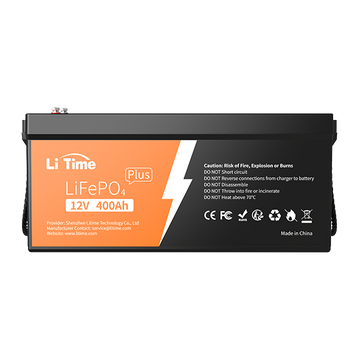
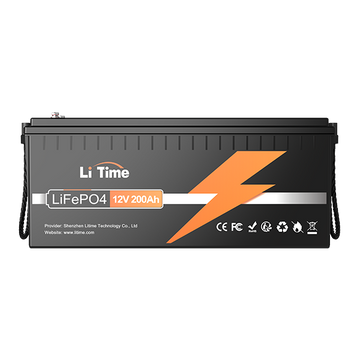
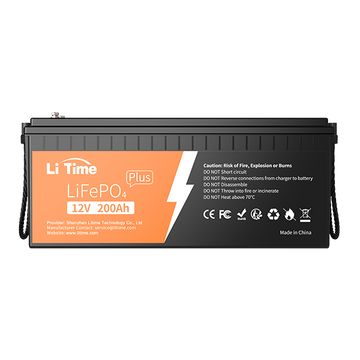
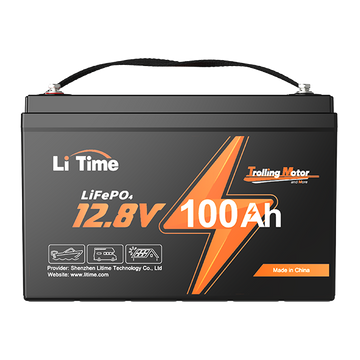
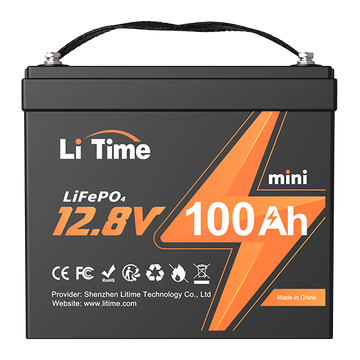
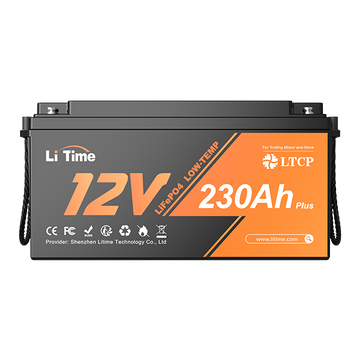
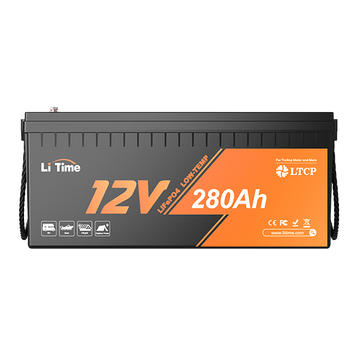
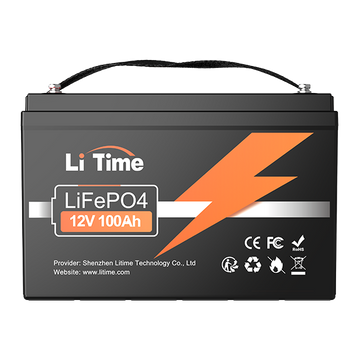
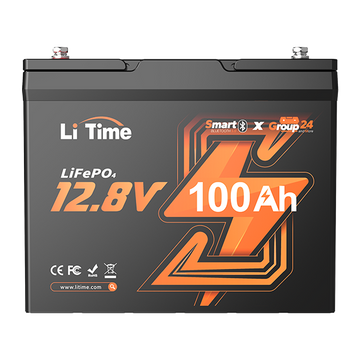
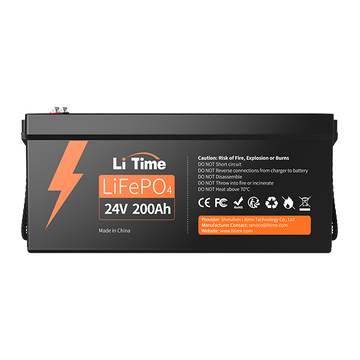
- Models like the 12V 100Ah and 200Ah offer 4000+ deep cycles, integrated BMS and multiple charging options, ideal as the main battery for dual battery system builds.
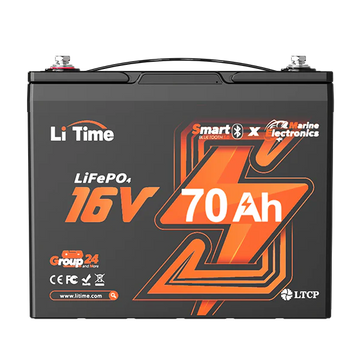
- The 12V 140Ah dual-purpose marine battery is built for outboard starting and house loads, perfect for a robust Dual battery system for boat applications.


Pairing a LiTime LiFePO4 auxiliary battery with a quality DC-DC charger, fuses and wiring gives you one of the best dual battery system 4x4 or caravan setups available today.
6.Conclusion
A well-designed dual battery system protects your starter battery, powers your camp or boat comfortably, and lets you stay off-grid longer with confidence. By understanding how dual battery systems work, planning your loads, choosing the right battery chemistry and following safe wiring practices, you can create a reliable power system that matches your adventures.
Lithium LiFePO4 technology—especially from specialised brands like LiTime—has transformed what’s possible in compact 12V power, making it easier than ever to build a tough, long-lasting dual battery system for 4x4s, caravans and boats.
FAQ
Can I install a dual battery system myself?
Yes, many enthusiasts perform their own dual battery system installation, especially when using a pre-made dual battery system kit. However, if you’re unsure about wiring, cable sizing or fusing, it’s wise to get an auto electrician to check or complete the job.
Can I use a dual battery system with a large inverter?
Yes—many people run a Dual Battery system with inverter for coffee machines, induction cooktops or microwaves. You’ll need a high-capacity LiFePO4 battery (or bank), heavy-gauge cabling, correct fusing and an inverter sized appropriately for your loads.
Is a dual battery system necessary on a small boat?
If you only run minimal electronics, one battery may be fine. But for larger loads—trolling motors, fridges, sounders, radios—a Dual battery system for boat use is strongly recommended to keep starting and house loads separate and safe.